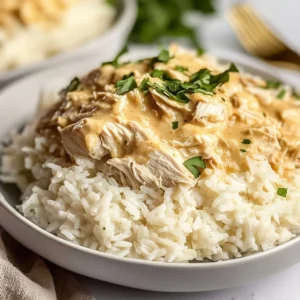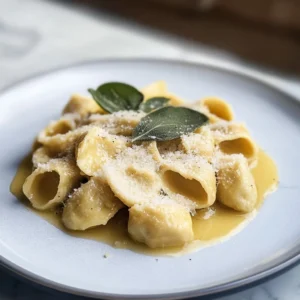

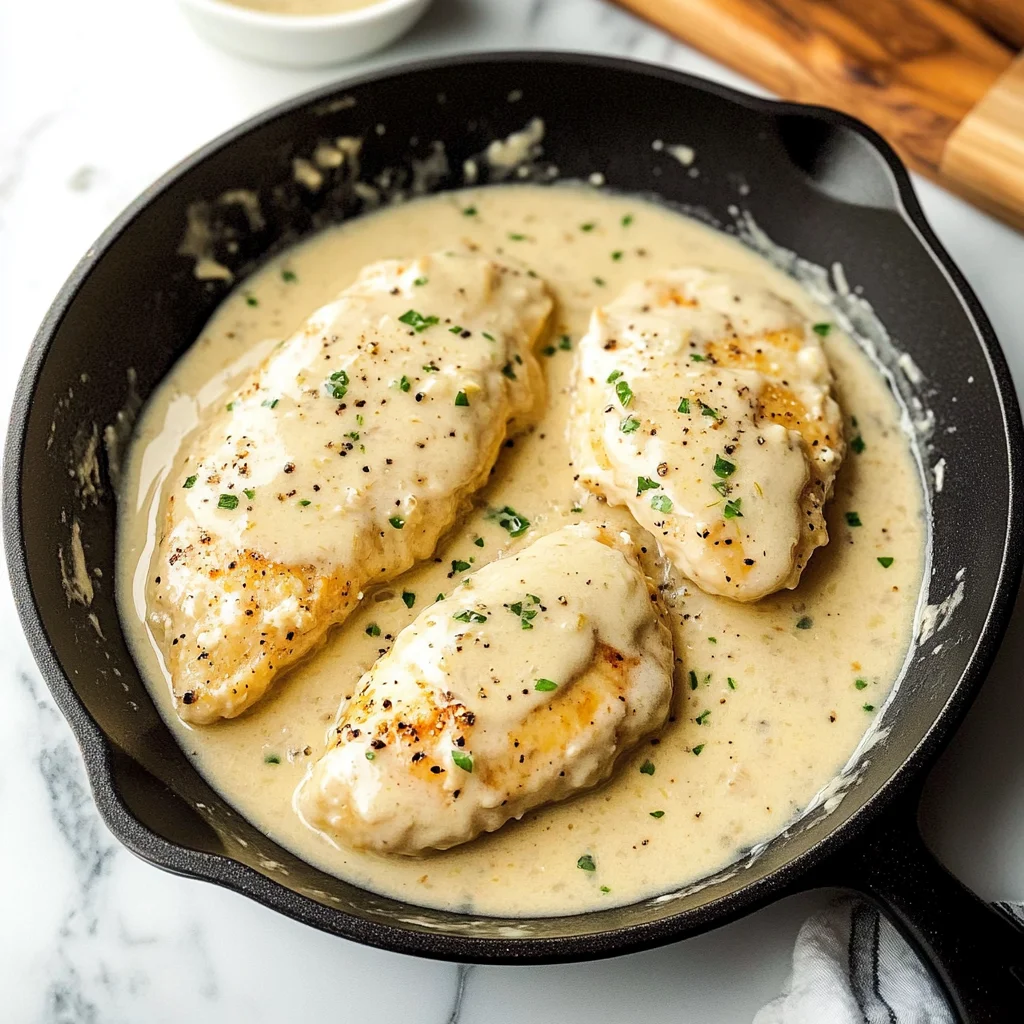
Imagine a simmering pot of golden goodness, where the aromatic whispers of garlic and shallots dance harmoniously with a splash of crisp white wine sauce, wrapping your kitchen in a warm embrace. This luxurious creation not only tantalizes your taste buds but also elevates any dish it graces, transforming ordinary seafood, chicken, or pasta into extraordinary culinary masterpieces that will have everyone asking for seconds.
As you take that first delightful bite, memories flood back of shared dinners with loved ones, laughter echoing around the table as the savory flavors envelop you. Whether it’s a cozy weeknight dinner or a festive gathering with friends, this versatile white wine sauce promises to turn each meal into a celebration—one that leaves you eagerly anticipating the next mouthwatering experience.
Why Is white wine sauce So Irresistibly Good?
Richness from 1 cup dry white wine elevates every bite, infusing your dishes with sophistication. Versatile enough to pair beautifully with seafood, chicken, or pasta, it adapts effortlessly to your meal plans. Quick prep time of just 10 minutes makes this sauce a time-saver for busy weeknights. Fresh garlic and a hint of lemon juice add depth and brightness, while finishing with butter creates a luscious texture that keeps everyone coming back for more. Simply put, this is the sauce you’ll want in your culinary toolkit!
white wine sauce Ingredients
- 1 cup dry white wine – A crisp Sauvignon Blanc or Pinot Grigio will enhance the flavor of your sauce beautifully.
- 1 cup chicken or vegetable broth – Low sodium broth helps control the saltiness while still adding depth to your white wine sauce.
- 1 tablespoon olive oil – Use this for sautéing ingredients and adding a touch of richness to the sauce.
- 2 cloves garlic (minced) – Freshly minced garlic infuses the sauce with aromatic flavors that complement seafood or chicken perfectly.
- 1 tablespoon fresh lemon juice (optional) – A splash of lemon juice brightens the sauce, balancing its richness with a zesty note.
- 2 tablespoons unsalted butter (for finishing) – Stirring in butter at the end creates a velvety texture and adds a luxurious finish to your dish.
- Salt to taste – Adjust as needed for seasoning, enhancing the overall flavor of your white wine sauce without overpowering it.
- Black pepper to taste – Freshly cracked black pepper adds a subtle warmth and complexity to the sauce’s flavor profile.
How to Make white wine sauce
1. Heat oil: In a saucepan, heat 1 tablespoon of olive oil over medium heat. This creates the perfect base for your flavorful white wine sauce.
2. Sauté garlic: Add 2 cloves of minced garlic and sauté for about 1 minute until fragrant. Keep an eye on it to avoid burning!
3. Simmer wine: Pour in 1 cup of dry white wine (like Sauvignon Blanc or Pinot Grigio) and bring to a simmer. Cook for about 5 minutes to reduce slightly; you’ll love the aroma!
4. Add broth: Stir in 1 cup of low-sodium chicken or vegetable broth and continue to simmer for another 5-10 minutes until the sauce thickens beautifully.
5. Season sauce: Stir in 1 tablespoon of fresh lemon juice, if using, and season with salt and black pepper to taste. This will elevate the flavors wonderfully!
6. Finish with butter: Remove from heat and whisk in 2 tablespoons of unsalted butter until melted and the sauce is smooth, giving it that rich finish.
Optional: Drizzle over your favorite seafood or chicken for a delightful touch!
Exact quantities are listed in the recipe card below.
Tips for the Best white wine sauce
- Choose Quality Wine: Use a dry white wine like Sauvignon Blanc; its acidity enhances the sauce’s flavor, making it more vibrant.
- Sauté Garlic Carefully: Avoid burning the garlic by sautéing it for just a minute until fragrant; burnt garlic can ruin your white wine sauce.
- Simmer for Thickness: Allow the sauce to simmer adequately after adding broth; this helps concentrate flavors and achieve the desired thickness.
- Butter for Richness: Whisk in unsalted butter at the end for a silky finish; skipping this step can result in a less luxurious texture.
- Taste and Adjust: Always taste your sauce before serving; don’t hesitate to adjust salt, pepper, or lemon juice to enhance its final flavor.
How to Store and Freeze white wine sauce
- Fridge: Store leftover white wine sauce in an airtight container for up to 3 days. Make sure it cools completely before sealing.
- Freezer: For longer storage, freeze the sauce in ice cube trays. Once frozen, transfer cubes to a freezer bag and keep for up to 3 months.
- Reheating: Thaw in the fridge overnight or gently warm on the stovetop over low heat, stirring occasionally. Add a splash of broth if it thickens too much.
- Avoiding Spoilage: Always check for any off smells or changes in color before using leftover sauce to ensure freshness.
white wine sauce Variations
Feel free to let your creativity shine by customizing this delightful recipe to suit your taste and dietary needs!
- Herb-Infused: Add fresh herbs like thyme or basil for a fragrant twist. Their aromatic qualities elevate the dish, making each bite feel like a cozy embrace.
- Spicy Kick: Incorporate red pepper flakes or a dash of cayenne for heat. This adds a vibrant zing that complements seafood beautifully, creating an exciting flavor profile.
- Creamy Indulgence: Stir in heavy cream after removing from heat for a rich finish. This creates a luscious texture that’s perfect for drizzling over pasta or chicken.
- Nutty Flavor: Use toasted pine nuts as a garnish atop your finished sauce. Their crunch will add dimension and a delightful nutty essence that enhances the overall experience.
- Citrus Burst: Experiment with orange juice or zest instead of lemon for a sweet tang. This unexpected twist brings brightness and complexity to the sauce, invigorating your palate.
- Mushroom Magic: Sauté sliced mushrooms in olive oil before adding garlic. Their earthy depth adds richness, making this variation especially great with chicken or served over rice.
- Sweet Touch: A splash of honey or maple syrup can balance acidity beautifully. Just a touch transforms the sauce into a comforting element that pairs wonderfully with grilled fish.
Make Ahead Options
Preparing this white wine sauce ahead of time is a fantastic way to streamline your cooking process and elevate your meals without the last-minute hustle. You can easily measure out your dry white wine, chicken or vegetable broth, olive oil, minced garlic, and even the optional lemon juice in advance—these base ingredients can be prepped up to 24 hours ahead. To save even more time, sauté the garlic and reduce the wine as directed; then let the mixture cool before storing it in an airtight container in the fridge. When you’re ready to serve, simply reheat the sauce on medium heat, whisk in the unsalted butter until melted for that luscious finish, and season with salt and black pepper to taste. This way, you’ll have a rich, flavorful white wine sauce ready to enhance your seafood, chicken, or pasta dishes with minimal effort!
white wine sauce Recipe FAQs
What type of white wine is best for making this sauce?
Using a dry white wine like Sauvignon Blanc or Pinot Grigio works beautifully for this sauce. These wines have the acidity and flavor profile that enhance the dish without overpowering it. Remember, if you wouldn’t drink it, don’t cook with it!
Can I substitute the broth in this recipe?
Absolutely! If you’re looking for a lighter option or prefer a vegetarian approach, vegetable broth is a fantastic substitute. For those watching sodium intake, opt for low-sodium chicken or vegetable broth. This helps maintain the flavor without overwhelming saltiness.
How long can I store leftover white wine sauce?
Leftover white wine sauce can be stored in an airtight container in the refrigerator for up to 3 days. To reheat, gently warm it on the stove over low heat, stirring often until heated through. It’s perfect for drizzling over your next meal!
Can I freeze white wine sauce?
Yes! You can freeze this flavorful sauce for up to 3 months. Make sure to let it cool completely before transferring it to a freezer-safe container. When you’re ready to use it, simply thaw overnight in the fridge and reheat gently on the stove.
What if my sauce isn’t thickening properly?
If your sauce isn’t thickening as desired after simmering for 5-10 minutes, don’t worry! You can let it simmer a bit longer or whisk in a cornstarch slurry (1 tablespoon cornstarch mixed with 1 tablespoon water) to help thicken it quickly. Just remember to cook it a little longer to remove any raw cornstarch taste.
How many servings does this recipe yield, and what’s the approximate calorie count per serving?
This delightful white wine sauce recipe yields about 4 servings, with each serving containing approximately 120 calories. It’s a lovely complement to seafood, chicken, or pasta dishes without adding too many calories to your meal!
White Wine Sauce
Ingredients
Method
- In a saucepan, heat the olive oil over medium heat.
- Add the minced garlic and sauté for about 1 minute until fragrant.
- Pour in the white wine and bring to a simmer. Cook for about 5 minutes to reduce slightly.
- Add the chicken or vegetable broth and continue to simmer for another 5-10 minutes until the sauce thickens.
- Stir in the lemon juice, if using, and season with salt and black pepper to taste.
- Remove from heat and whisk in the butter until melted and the sauce is smooth.