
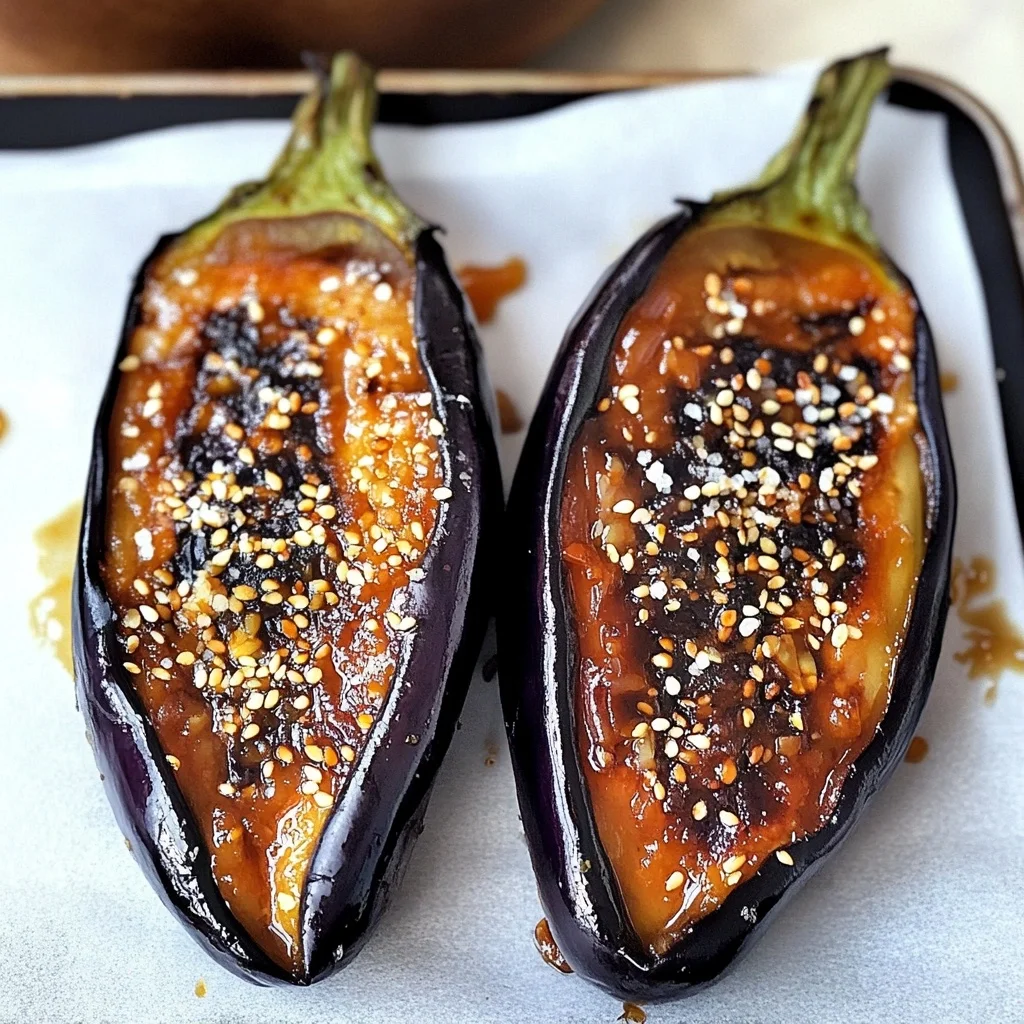
Imagine sinking your teeth into the silky, tender flesh of a Japanese eggplant, bathed in a savory sauce that dances on your taste buds like a culinary ballet. This Japanese eggplant recipe transforms simple ingredients into a vibrant stir-fry, bursting with fresh vegetables and the kind of flavor that makes you close your eyes and sigh in delight. It’s not just a dish; it’s an experience that fills your kitchen with the warm, enticing aroma of umami goodness.
I still remember the first time I tried this dish at my friend’s housewarming party, where laughter mingled with the scent of sizzling vegetables. We gathered around the table, each bite igniting stories and memories, turning an ordinary evening into something extraordinary. Whether it’s a casual weeknight dinner or a gathering with friends, this delightful stir-fry promises to make every meal memorable and deliciously satisfying. Prepare to embark on a flavor adventure that will leave everyone asking for seconds!
Why Is japanese eggplant recipe So Irresistibly Good?
Quick and easy: This Japanese Eggplant Stir-Fry takes just 30 minutes from prep to plate, making it a perfect weeknight dinner choice.
Flavor-packed: The combination of tender eggplants and vibrant vegetables, enhanced by a savory sauce, is a delightful explosion of taste in every bite.
Nutritious goodness: With fresh bell peppers, carrots, and ginger, this dish is loaded with vitamins and antioxidants to nourish your body.
Versatile option: Serve it over rice or noodles, or enjoy it on its own for a light meal that satisfies any craving!
Crowd-pleaser: Whether you’re feeding family or entertaining guests, everyone will be asking for seconds of this colorful stir-fry!
japanese eggplant recipe Ingredients
For the Vegetables
- 2 medium Japanese eggplants (sliced into thin rounds) – These tender eggplants absorb flavors beautifully, making them a star in this healthy stir-fry.
- 1 cup bell pepper (sliced) – Adds a pop of color and sweetness, enhancing the dish’s visual appeal and taste.
- 1 cup carrot (julienned) – Provides a crunchy texture and natural sweetness, balancing the savory elements of the recipe.
- 2 cloves garlic (minced) – Infuses the dish with aromatic flavor, making every bite delightful.
- 1 inch ginger (grated) – Offers a warm, spicy kick that complements the other vegetables perfectly.
For the Sauce
- 3 tablespoons soy sauce – This salty umami base brings depth to your japanese eggplant recipe, tying all ingredients together.
- 1 tablespoon mirin – A sweet rice wine that adds a hint of sweetness and complexity to the sauce.
- 1 tablespoon sesame oil – Imparts a nutty flavor that enhances the overall richness of the stir-fry.
- 1 teaspoon sugar – Balances out the savory flavors, creating a harmonious blend in every bite.
For the Garnish
- 2 tablespoons sesame seeds (toasted) – Adds a delightful crunch and nutty flavor on top of your colorful stir-fry.
- 2 scallions sliced – Brightens up the dish with fresh onion notes and vibrant green color for an appealing finish.
How to Make japanese eggplant recipe

1. Mix the Sauce: In a small bowl, combine 3 tablespoons of soy sauce, 1 tablespoon of mirin, 1 tablespoon of sesame oil, and 1 teaspoon of sugar until well blended. This fragrant sauce will elevate your dish wonderfully!
2. Heat the Wok: Warm a wok over medium-high heat and add a splash of oil. Once it shimmers, you’re ready to infuse your dish with delicious flavors.
3. Sauté Aromatics: Add 2 cloves of minced garlic and 1 inch of grated ginger to the hot wok, stir-frying for about 30 seconds until they’re fragrant. The aroma will make your kitchen feel inviting!
4. Add Vegetables: Toss in 2 medium Japanese eggplants (sliced into thin rounds), 1 cup of sliced bell pepper, and 1 cup of julienned carrot into the wok. Stir-fry for about 5-7 minutes until the veggies are tender and vibrant.
5. Combine with Sauce: Pour the prepared sauce over your colorful vegetable medley and stir well to coat everything evenly. Continue cooking for an additional 2-3 minutes, allowing all those wonderful flavors to meld together beautifully.
6. Garnish and Serve: Remove from heat and sprinkle with 2 tablespoons of toasted sesame seeds and sliced scallions before serving. This adds a delightful crunch and freshness!
Optional: Serve with steamed rice for a complete meal.
Exact quantities are listed in the recipe card below.
Expert Tips
- Slice Evenly: Ensure the Japanese eggplants and other vegetables are sliced uniformly to promote even cooking and tenderness throughout the stir-fry.
- Watch the Heat: Stir-frying requires high heat; avoid undercooking your vegetables, which can result in a soggy texture instead of a crisp finish.
- Fresh Ingredients: Use fresh garlic and ginger for the best flavor. Dried alternatives won’t deliver the same vibrant taste in this japanese eggplant recipe.
- Adjust Sauce Balance: Taste your sauce before adding it to the stir-fry; you can adjust sweetness or saltiness by modifying sugar or soy sauce amounts.
- Toast Sesame Seeds: Toast your sesame seeds just before garnishing to enhance their nutty flavor, adding an extra layer of richness to your dish.
- Don’t Overcrowd: If you’re making a larger batch, stir-fry in batches to avoid overcrowding the pan, which can lead to steaming instead of frying.
How to Store and Freeze japanese eggplant recipe
- Fridge: Store leftover stir-fried vegetables in an airtight container for up to 3 days. This keeps the flavors fresh and vibrant for your next meal.
- Freezer: For longer storage, freeze the sautéed mixture in a freezer-safe bag for up to 2 months. Thaw before reheating.
- Reheating: Gently reheat in a skillet over low heat, adding a splash of water or oil to revive the dish’s moisture and flavor.
- Garnishes: Keep toasted sesame seeds and sliced scallions separate in small containers in the fridge; they stay fresh for up to 5 days, ready to sprinkle on your japanese eggplant recipe!
japanese eggplant recipe Variations
Feel free to get creative and make this dish your own with these delightful options!
- Zucchini: Substitute Japanese eggplant with thinly sliced zucchini for a lighter, fresh flavor. Zucchini adds a lovely texture and absorbs the savory sauce beautifully.
- Broccoli Florets: Swap in bite-sized broccoli florets for a nutritious crunch. The vibrant green color not only enhances visual appeal but also offers a satisfying bite to every forkful.
- Mushrooms: Add sliced shiitake or button mushrooms for an earthy depth. Mushrooms bring an umami richness that complements the other ingredients perfectly.
- Spicy Kick: Incorporate sliced jalapeños or red pepper flakes to elevate the heat level. A little spice can transform this dish into a fiery delight that warms you from the inside out.
- Cabbage: Use shredded cabbage in place of carrots for extra crunch and fiber. Cabbage cooks quickly and soaks up the flavors, making each mouthful delightful.
- Peas: Toss in some fresh or frozen peas for a pop of sweetness and color. They add a vibrant touch and balance well with the savory elements of the sauce.
- Bell Pepper Mix: Experiment with different colored bell peppers like yellow or orange for visual variety and a subtle sweetness. Each color brings its own character, making your dish even more inviting.
Make Ahead Options

This flavorful Japanese eggplant recipe is perfect for meal prep, allowing you to enjoy a delicious stir-fry even on your busiest days. You can slice the two medium Japanese eggplants, one cup of bell pepper, and one cup of carrot in advance—these prepped vegetables can be stored in the refrigerator for up to 3 days. Additionally, the garlic and ginger can be minced and grated ahead of time, keeping their vibrant flavors intact. The sauce, made by mixing together three tablespoons of soy sauce, one tablespoon of mirin, one tablespoon of sesame oil, and one teaspoon of sugar, can also be prepared and refrigerated for up to 24 hours. When you’re ready to serve this savory dish, simply heat a wok with a splash of oil, add the prepped ingredients, stir-fry as directed, pour over the sauce, and enjoy your effortless Japanese eggplant recipe!
japanese eggplant recipe Questions Answered
What type of Japanese eggplants should I use for this recipe?
For the best flavor and texture, choose medium-sized Japanese eggplants that are firm to the touch with shiny, smooth skin. The smaller varieties tend to be sweeter and less bitter, making them perfect for stir-frying.
Can I substitute any vegetables in this stir-fry?
Absolutely! While the recipe calls for bell peppers and carrots, feel free to swap in your favorites like zucchini, snap peas, or broccoli. Just keep an eye on cooking times—more delicate veggies may need less time in the wok.
How do I store leftovers from this dish?
If you have any leftovers (which is always a delightful surprise!), store them in an airtight container in the fridge. They’ll keep well for about 3 days. Just reheat gently on the stove or in the microwave until warmed through.
Can I freeze this stir-fry for later use?
Yes, you can freeze the stir-fry! Allow it to cool completely, then transfer it to a freezer-safe container or bag. It will last up to 2 months. When you’re ready to enjoy it again, simply thaw overnight in the fridge and reheat on the stovetop.
What if my sauce is too salty?
If your sauce turns out saltier than expected, try adding a splash of water or vegetable broth while cooking to dilute it slightly. You can also add a little more sugar or mirin to balance out the flavors if needed.
How many servings does this recipe yield?
This vibrant stir-fry serves 4 people generously. If you’re feeding a crowd or want leftovers, consider doubling the ingredients while keeping an eye on your cooking time to ensure everything cooks evenly!
Japanese Eggplant Stir-Fry
Ingredients
Method
- In a small bowl, mix together soy sauce, mirin, sesame oil, and sugar until well combined.
- Heat a wok over medium-high heat and add a splash of oil.
- Add minced garlic and grated ginger, stir-frying for about 30 seconds until fragrant.
- Add sliced Japanese eggplants, bell pepper, and carrot to the wok. Stir-fry for 5-7 minutes until the vegetables are tender.
- Pour the prepared sauce over the vegetables and stir to coat evenly. Cook for an additional 2-3 minutes.
- Remove from heat and garnish with toasted sesame seeds and sliced scallions before serving.