
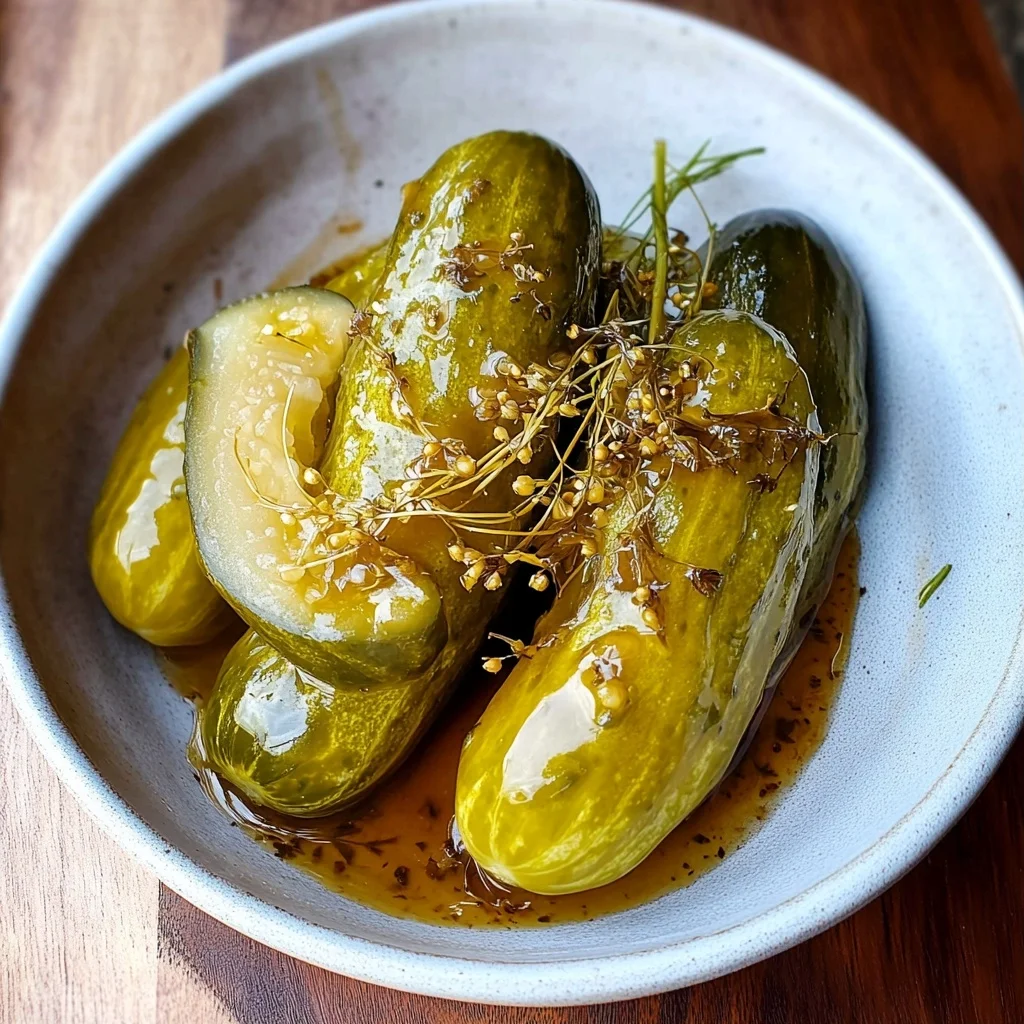
The moment you crack open a jar of homemade fermented pickles, an explosion of tangy aromas fills the air, teasing your taste buds with promises of crispness and zesty delight. Each bite reveals a perfect crunch, the briny flavor dancing on your tongue and leaving you yearning for more, making these pickles not just a side dish but the star of your snacking game.
Reflecting on summers spent in my grandmother’s kitchen, I remember her laughter mixing with the delightful scent of fresh cucumbers soaking in a bubbling brine—an experience that transforms simple ingredients into something magical. Perfect for picnics or as a crunchy addition to sandwiches, these fermented pickles not only satisfy cravings but also evoke cherished memories, ensuring every bite is a delicious journey back in time.
Why Is fermented pickles So Irresistibly Good?
Crisp texture: These homemade fermented pickles have a satisfying crunch that store-bought varieties simply can’t match.
Bold flavors: With fresh dill, garlic, and spices, each bite bursts with tangy goodness that elevates any dish.
Easy preparation: Just 15 minutes of prep is all you need to create these delightful treats—no cooking required!
Versatile snack: Whether you’re munching straight from the jar or adding them to sandwiches, they always please a crowd.
Health benefits: Packed with probiotics, these pickles not only taste great but also support gut health.
fermented pickles Ingredients
For the Cucumbers
- 4 cups small cucumbers (preferably pickling cucumbers) – Choose firm, fresh cucumbers for the best crunch in your fermented pickles.
For the Brine
- 4 cups water (filtered or distilled) – Using filtered water helps create a clean, crisp flavor in your pickles.
- 2 tablespoons sea salt (non-iodized) – Non-iodized salt is essential for fermentation, promoting the right bacteria while preventing unwanted flavors.
- 1 tablespoon sugar (optional, for sweetness) – Adding sugar can balance out the tanginess of the pickles, enhancing their overall flavor.
For the Spices
- 1 tablespoon dill seeds – Dill seeds provide that classic pickling flavor we all love and expect in homemade pickles.
- 1 teaspoon mustard seeds – Mustard seeds add a subtle spice and complexity to your fermented pickles.
- 4 cloves garlic (peeled and crushed) – Garlic infuses a delicious savory note into the brine, making each bite flavorful.
- 1 teaspoon black peppercorns – Whole peppercorns offer a mild heat and aromatic quality that complements the other spices.
- 1 bay leaf – A bay leaf adds depth to the brine, rounding out the flavors beautifully in your pickling process.
How to Make fermented pickles
1. Wash the cucumbers thoroughly and cut off the ends. You can leave them whole or cut them into spears or slices, depending on your preference.
2. Combine in a mixing bowl the water, sea salt, and optional sugar. Stir until the salt and sugar are fully dissolved, creating a flavorful brine for your pickles.
3. Pack the cucumbers into a clean Mason jar. Add dill seeds, mustard seeds, crushed garlic cloves, black peppercorns, and a bay leaf on top of the cucumbers for added flavor.
4. Pour the brine over the cucumbers, ensuring they are fully submerged. Leave about an inch of headspace at the top of the jar to allow for fermentation gases.
5. Seal the jar loosely with a lid or cover it with a cloth to let gases escape. Let it sit at room temperature for 5-7 days, checking daily for bubbles and taste.
6. Store the pickles once they are fermented to your liking by tightening the lid and placing them in the refrigerator. They will continue to develop flavor over time.
Optional: For extra crunchiness, add a few grape leaves to the jar before sealing.
Exact quantities are listed in the recipe card below.
Tips for the Best fermented pickles
- Cucumber Selection: Use small pickling cucumbers for the best crunch. Avoid large varieties, as they can become mushy during fermentation.
- Brine Balance: Ensure your brine is well mixed; undissolved salt can lead to uneven fermentation and overly salty spots in your fermented pickles.
- Submersion is Key: Always ensure cucumbers are fully submerged in brine. If they float, use a clean weight or a few extra spices to keep them down.
- Taste Testing: Start tasting your pickles after 5 days. Fermentation times can vary based on temperature, so find your perfect tang!
- Storage Secrets: After refrigerating, allow the pickles to rest for at least 24 hours before eating to enhance flavor development.
How to Store fermented pickles

Fridge: Store your fermented pickles in a glass jar with a tight seal; they’ll stay fresh for up to 2 months.
Room Temperature: If you prefer a stronger flavor, let your pickles ferment at room temperature for 1-2 weeks before refrigerating.
Freezer: For long-term storage, freeze the pickles in an airtight container for up to 6 months; however, texture may change upon thawing.
Checking Freshness: Always check for any off-smells or mold before consuming; discard if anything seems amiss with your fermented pickles.
fermented pickles Your Way
Feel free to get creative and customize your pickles with these delightful variations that will tickle your taste buds!
- Spicy Kick: Add a few sliced jalapeños or red pepper flakes for a zesty heat. Elevate the flavor profile by balancing the spice with the coolness of the cucumbers.
- Sweet & Tangy: Incorporate an additional tablespoon of sugar in the brine for a sweeter pickle experience. The sweetness complements the tanginess, creating a well-rounded bite that’s simply irresistible.
- Herb Infusion: Swap dill seeds for fresh dill sprigs or add thyme and oregano for an herby twist. Fresh herbs bring a lively aroma and a pop of flavor that perfectly complements the crunch of the cucumbers.
- Garlic Lovers: Increase garlic cloves to 6 or add roasted garlic for a deeper, richer flavor. Roasting mellows the garlic’s sharpness, giving your pickles a luxurious taste and aroma.
- Citrus Zing: Toss in slices of lemon or lime into the brine for a refreshing citrus twist. This brightens up the overall flavor, making each bite feel like summer on your palate.
- Pickling Spice Blend: Use a store-bought pickling spice mix instead of individual spices for added convenience. These blends often include unique flavors that can surprise and delight seasoned pickle fans.
- Smoky Flavor: Introduce smoked paprika to the brine for a subtle smokiness. This unexpected addition creates depth and an intriguing contrast to the crisp cucumbers.
Make Ahead Options
These homemade fermented pickles are a fantastic choice for meal prep, allowing you to enjoy their crisp, tangy flavor anytime. You can wash and cut the 4 cups of small cucumbers up to 24 hours in advance, storing them in the refrigerator to keep them fresh. Additionally, you can prepare the brine by combining 4 cups of filtered water, 2 tablespoons of non-iodized sea salt, and 1 tablespoon of sugar (if desired) a day before. Once your cucumbers and brine are ready, simply pack the jar with the cucumbers, dill seeds, mustard seeds, garlic cloves, black peppercorns, and bay leaf. Pour the brine over them and seal loosely; let it ferment at room temperature for 5-7 days. When they’re perfect for snacking or sandwiches, tighten the lid and refrigerate them for ongoing flavor development. This time-saving approach ensures you always have delicious fermented pickles on hand!
Your fermented pickles Questions, Answered
What type of cucumbers are best for making fermented pickles?
For the crispiest and most flavorful fermented pickles, it’s best to use small pickling cucumbers. These varieties have a thicker skin and a crunchier texture that holds up beautifully during fermentation.
Can I adjust the level of salt in the brine?
Yes, you can adjust the amount of sea salt in your brine, but be cautious! The recommended 2 tablespoons helps create an optimal environment for fermentation. Too little salt may lead to undesirable bacteria growth, while too much can hinder the fermentation process.
How should I store my fermented pickles after they’re ready?
Once your pickles have reached your desired level of tanginess after 5-7 days, simply tighten the lid on your Mason jar and transfer them to the refrigerator. They will stay fresh for several months, and their flavor will continue to develop over time. Just remember to consume them within about 3-4 months for the best taste!
Can I freeze my fermented pickles?
While freezing is possible, it’s not recommended as it may alter the texture of your delicious homemade fermented pickles. Instead, enjoy them fresh from the fridge or share with friends and family! If you must preserve them long-term, consider canning them instead.
What should I do if my fermentation doesn’t seem to be working?
If you don’t see bubbles or if your pickles aren’t developing a tangy flavor after a week, check that your brine was properly mixed (salt fully dissolved) and that everything was kept at room temperature (ideally around 68°F-75°F). If everything seems right and there’s no sign of spoilage (like off smells or mold), give them a few more days; sometimes they just need a little extra time!
What’s a good serving size for these fermented pickles?
This recipe yields about 4 servings, with each serving containing roughly 15 calories. They make a fantastic snack on their own or as a crunchy addition to sandwiches and salads. Enjoying them in moderation complements any meal beautifully!
Fermented Pickles
Ingredients
Method
- Wash the cucumbers thoroughly and cut off the ends. You can leave them whole or cut them into spears or slices.
- In a mixing bowl, combine the water, sea salt, and sugar. Stir until the salt and sugar are fully dissolved.
- Place the cucumbers in a clean Mason jar. Add the dill seeds, mustard seeds, garlic, black peppercorns, and bay leaf on top of the cucumbers.
- Pour the brine over the cucumbers, ensuring they are fully submerged. Leave about an inch of headspace at the top of the jar.
- Seal the jar loosely with a lid or cover it with a cloth to allow gases to escape. Let it sit at room temperature for 5-7 days, checking daily for bubbles and taste.
- Once fermented to your liking, tighten the lid and store the pickles in the refrigerator. They will continue to develop flavor over time.