
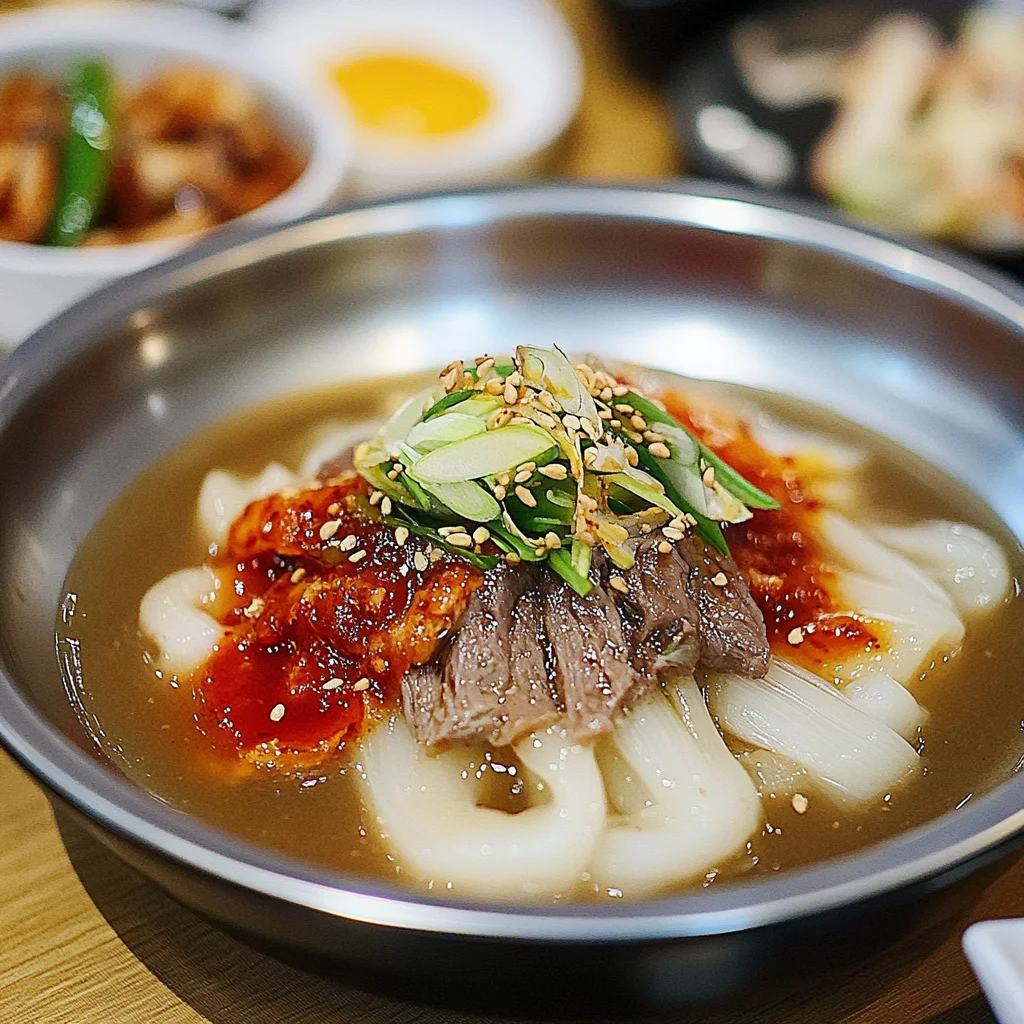
Imagine sinking your teeth into a sizzling plate of bulgogi, where the sweet and savory marinated beef dances on your palate, mingling with the crisp, tangy crunch of homemade kimchi. The vibrant colors of bibimbap, a medley of fresh veggies and perfectly fried egg, create an irresistible feast for the eyes that promises a flavor explosion you won’t forget.
Thinking back to family gatherings filled with laughter and shared stories over these beloved dishes, I can’t help but smile at the joy they bring. Whether it’s a cozy weeknight dinner or a lively celebration, the best Korean food captures hearts and taste buds alike, inviting everyone to dig in and savor every bite together.
Why Is best korean food So Irresistibly Good?
Bold flavors come alive in this delightful dish, combining tender bulgogi, tangy kimchi, and colorful bibimbap. Quick to prepare, you’ll have a gourmet meal ready in just 30 minutes! Perfect for sharing, this recipe is a crowd-pleaser at any gathering. Versatile and customizable, you can easily adjust ingredients to suit your taste. With layers of texture and flavor, it’s no wonder everyone loves the best Korean food!
best korean food Ingredients
For the Bulgogi
- 1 pound beef sirloin (thinly sliced) – Choose a tender cut for the best flavor and texture in your bulgogi.
- 1/4 cup soy sauce (low sodium) – This adds savory depth without being too salty, making it perfect for marinating.
- 2 tablespoons sugar (brown sugar preferred) – Brown sugar enhances the caramelization during cooking and adds a rich sweetness.
- 1 tablespoon sesame oil – This fragrant oil provides a nutty aroma that complements the beef beautifully.
- 2 cloves garlic (minced) – Fresh garlic infuses the dish with a pungent kick that elevates its taste.
- 1 inch ginger (grated) – Ginger brings warmth and zest, balancing the flavors in this mix.
- 1 medium onion (sliced) – Sliced onions add sweetness and texture that meld perfectly with the beef.
- 1 medium carrot (julienned) – The julienne style not only looks great but also adds natural sweetness and crunch.
- 2 scallions green onions (chopped) – These provide a fresh pop of color and a mild onion flavor to round out the dish.
For the Kimchi
- 1 head napa cabbage (cut into quarters) – Napa cabbage is essential for authentic kimchi, providing crispness and a slightly sweet flavor.
- 1/4 cup sea salt – Salt is crucial for drawing out moisture and creating the brine necessary for fermentation.
- 1 tablespoon Korean red pepper flakes (gochugaru) – This spice gives kimchi its signature heat and vibrant red color.
- 2 cloves garlic (minced) – Garlic adds depth and pungency to the kimchi, enhancing its overall flavor profile.
- 1 inch ginger (grated) – Grated ginger introduces a warm, spicy note that balances the other flavors in kimchi.
- 1 tablespoon fish sauce – Fish sauce contributes umami richness, making this kimchi truly irresistible.
- 1 medium carrot (julienned) – The julienned carrot adds crunch and sweetness, making it visually appealing as well as tasty.
For the Bibimbap
- 2 cups cooked rice (preferably short-grain) – Short-grain rice is sticky and perfect for holding all your delicious toppings together.
- 1 cup spinach (blanched) – Blanching spinach retains its vibrant color while softening it for easier eating in bibimbap.
- 1 cup bean sprouts (blanched) – These crunchy sprouts add texture and a refreshing taste to your bowl of bibimbap.
- 1 medium zucchini (julienned) – Julienne zucchini offers bright color along with a subtle sweetness that complements other ingredients nicely.
- 4 eggs fried (sunny-side up) – A perfectly fried egg adds richness and creaminess when mixed into the hot rice and veggies.
- 2 tablespoons gochujang (Korean chili paste) – This spicy-sweet paste brings an essential kick to your bibimbap experience; it’s one of the best Korean foods!
- 1 tablespoon sesame oil – A drizzle of sesame oil enhances flavor depth and aroma in your vibrant bowl of bibimbap.
- 1 tablespoon sesame seeds (toasted) – Toasted sesame seeds provide a delightful crunch and nutty flavor that finishes off the dish beautifully.
Step-by-Step best korean food

1. Marinate Beef: In a mixing bowl, combine 1/4 cup low-sodium soy sauce, 2 tablespoons brown sugar, 1 tablespoon sesame oil, 2 cloves minced garlic, and 1 inch grated ginger. Add the 1 pound thinly sliced beef sirloin along with 1 medium sliced onion and 1 medium julienned carrot. Allow this to marinate for at least 30 minutes to enhance those rich flavors.
2. Grill Beef: Heat your grill to high and cook the marinated beef for about 5-7 minutes until it’s beautifully browned and cooked through. The sizzling sound will fill your kitchen with a mouthwatering aroma!
For the Kimchi:
3. Prepare Cabbage: Take your head of napa cabbage, cut it into quarters, and sprinkle with 1/4 cup sea salt. Let it rest for about 2 hours; this draws out moisture and creates that crunch we love in kimchi.
4. Mix Kimchi Ingredients: After rinsing and draining the cabbage, mix together 1 tablespoon Korean red pepper flakes (gochugaru), 2 cloves minced garlic, 1 inch grated ginger, 1 tablespoon fish sauce, and another 1 medium julienned carrot in a separate bowl. Combine this mixture with the cabbage, ensuring every piece is coated before letting it ferment for 1-2 days.
For the Bibimbap:
5. Sauté Zucchini: In a skillet over medium heat, sauté your julienned zucchini until it’s tender and slightly golden. Set aside as you prepare to build your beautiful bibimbap.
6. Assemble Bibimbap: In a bowl, layer together 2 cups of cooked short-grain rice, blanched spinach (about 1 cup), blanched bean sprouts (about 1 cup), and your sautéed zucchini. Top it off with a sunny-side-up fried egg and drizzle with a tablespoon of sesame oil and 2 tablespoons of gochujang for that spicy kick.
Optional: Garnish with toasted sesame seeds for an extra crunch!
Exact quantities are listed in the recipe card below.
Expert Tips
- Marination Matters: Ensure the beef marinates for at least 30 minutes to absorb flavors; longer is even better for enhancing taste.
- Grilling Technique: Use high heat and don’t overcrowd the grill; this keeps the bulgogi tender and juicy, avoiding a steamy texture.
- Salt Balance: When preparing kimchi, use sea salt judiciously; too much can make it overly salty, ruining that perfect balance found in the best Korean food.
- Veggie Prep: Make sure vegetables like zucchini and carrots are cut uniformly for even cooking; this enhances both presentation and texture in your bibimbap.
- Egg Perfection: Fry eggs sunny-side up gently to keep the yolks runny; this adds richness when mixed into your bibimbap.
- Serve Fresh: Enjoy your kimchi within a week for optimal freshness, as its flavor develops over time but can become overpowering if left too long.
How to Store and Freeze best korean food
Fridge: Store leftover bulgogi, kimchi, and bibimbap in airtight containers for up to 3 days to maintain freshness and flavor.
Freezer: For long-term storage, freeze bulgogi or kimchi in freezer-safe bags for up to 2 months. Just ensure they are well-sealed to prevent freezer burn.
Reheating: When ready to enjoy, thaw bulgogi in the fridge overnight. Reheat on medium heat until warmed through. Bibimbap can be reheated in a microwave with a splash of water for moisture.
Kimchi Storage: Keep kimchi in a tightly sealed jar in the fridge for up to 2 months; it may continue to ferment and develop deeper flavors!
best korean food Your Way
Feel free to get creative with these delightful twists and swaps to make this dish your own!
- Vegetarian: Substitute beef with marinated tofu or tempeh, absorbing the same rich flavors for a plant-based delight. This adjustment offers a delightful texture contrast while keeping the essence of bulgogi alive.
- Spicy Kick: Add extra gochugaru to the marinade for a fiery version that’ll awaken your taste buds. A little spice can transform the flavor profile, making it exciting and bold.
- Sweet & Savory: Replace brown sugar with honey or maple syrup for a different sweetness that balances beautifully with the savory notes. This swap adds a lovely depth to the dish, enhancing its overall richness.
- Crunchy Texture: Toss in sliced bell peppers or snap peas alongside the onions for an added crunch. This variation not only enhances the texture but also introduces vibrant colors that make your plate pop.
- Smoky Flavor: Incorporate smoked paprika into your marinade for an unexpected smoky twist. The smokiness will give your bulgogi a unique depth that elevates the entire dish.
- Citrus Zest: Add a splash of orange juice or zest to your marinade for a refreshing brightness. This little twist lightens up the dish and adds an intriguing layer of flavor.
- Herbaceous Note: Mix fresh cilantro or basil into your bulgogi just before serving for an aromatic finish. Herbs can brighten up the dish and create an inviting fragrance that draws everyone to the table.
Make Ahead Options

Meal prepping this delightful mix of traditional Korean dishes is a fantastic way to save time while enjoying the best Korean food throughout the week. You can marinate your 1 pound of beef sirloin in a mixture of 1/4 cup low sodium soy sauce, 2 tablespoons brown sugar, 1 tablespoon sesame oil, 2 minced cloves of garlic, and grated ginger for up to 24 hours in advance. As for the kimchi, sprinkle your head of napa cabbage with 1/4 cup sea salt and let it sit for 2 hours before rinsing and draining; mix it with gochugaru, garlic, ginger, fish sauce, and carrot to ferment for up to 3 days. For bibimbap, you can have your rice cooked ahead of time and stored in the fridge for up to 5 days. When you’re ready to serve, quickly grill the marinated beef for about 5-7 minutes, sauté the zucchini until tender, and layer everything together with spinach, bean sprouts, and a sunny-side-up egg topped with sesame oil and gochujang. Embrace this meal prep strategy to enjoy authentic flavors without the stress!
best korean food Recipe FAQs
What type of beef is best for Bulgogi?
For the most tender and flavorful Bulgogi, I recommend using beef sirloin. It’s thinly sliced, which helps it absorb the marinade beautifully. If you prefer a richer flavor, you can also use ribeye or flank steak.
How should I store leftovers of this dish?
Leftovers can be stored in an airtight container in the refrigerator for up to 3 days. Make sure to separate the components—Bulgogi, Kimchi, and Bibimbap toppings—to maintain their textures and flavors. Reheat the Bulgogi on a skillet over medium heat until warmed through, usually around 5 minutes.
Can I freeze the Bulgogi or Kimchi?
Yes! You can freeze the marinated Bulgogi before cooking it. Just place it in a freezer-safe bag and it will keep for up to 3 months. For Kimchi, you can freeze it too, but for best flavor and texture, it’s recommended to consume it fresh or after fermentation. If frozen, use within 2 months.
What if my Bulgogi is too salty?
If your Bulgogi turns out too salty, you can balance it by adding some sugar during cooking. A teaspoon of brown sugar can help counteract the saltiness while enhancing the overall flavor. Additionally, serve it with plenty of rice to dilute the saltiness on your palate.
Is this recipe suitable for a gluten-free diet?
You can easily adapt this recipe to be gluten-free by substituting soy sauce with tamari or coconut aminos. These alternatives provide similar umami flavors without gluten. Just ensure that all other ingredients are also gluten-free.
How many servings does this recipe yield?
This delightful mix yields about 4 servings, perfect for sharing with family or friends! Each serving contains approximately 600 calories, making it a satisfying meal option that doesn’t skimp on flavor.