
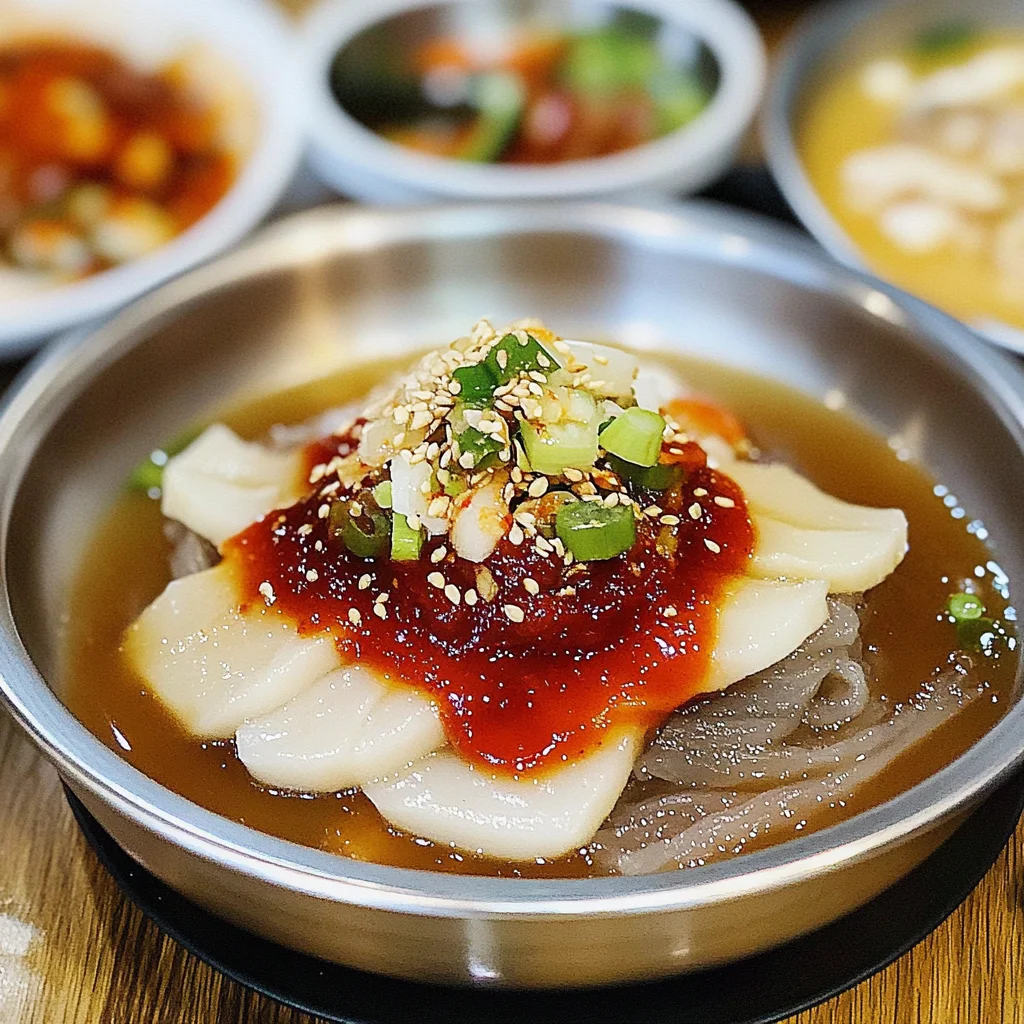
Imagine digging into a colorful bowl of bibimbap, where perfectly cooked rice mingles with vibrant vegetables, tender meat, and a sunny-side-up egg, all drizzled with fiery gochujang sauce. The moment you take your first bite, the explosion of flavors and textures dances on your palate, making it clear why this is considered some of the best Korean food around.
Growing up, my family’s dinner table always featured bibimbap on special occasions, evoking laughter and stories shared over heaping bowls. Whether it’s a cozy weeknight meal or a festive gathering with friends, this dish promises to create unforgettable moments that will have everyone asking for seconds.
Why Does Everyone Love best korean food?
Rich flavors come together in this Bibimbap, making every bite a delightful experience. Vibrant veggies like julienned carrots and zucchini not only add color but also pack nutrients. Quick prep (30 minutes) means you can enjoy this dish even on busy weeknights. Customizable toppings let you tailor it to your taste, whether you prefer savory beef or extra spicy gochujang. Lastly, it’s a crowd-pleaser—perfect for impressing friends and family at dinner gatherings!
best korean food Ingredients
For the Rice
- 2 cups Short-grain rice (Rinsed and drained) – This sticky rice is essential for holding all the delicious toppings together, making it a staple in the best Korean food.
For the Vegetables
- 1 cup Carrot (Julienned) – Adds a sweet crunch that balances the savory elements of the dish.
- 1 cup Zucchini (Julienned) – Provides a tender texture and absorbs flavors beautifully.
- 1 cup Spinach (Blanched) – Offers vibrant color and nutrients, enhancing both taste and presentation.
- 1 cup Mushrooms (Sliced) – Introduces an earthy depth that complements the other ingredients perfectly.
- 1 cup Bean sprouts (Blanched) – Adds a delightful crunch and fresh taste to your bibimbap bowl.
For the Protein
- 1 cup Ground beef (Cooked and seasoned with soy sauce and garlic) – Provides rich flavor and essential protein to make this meal hearty.
For the Toppings
- 4 large Eggs (Fried sunny-side up) – The runny yolk adds richness, creating a beautiful sauce when mixed with other ingredients.
- 4 tablespoons Gochujang (Korean chili paste) – This spicy condiment brings warmth and depth, making it a must-have for authentic bibimbap.
- 2 tablespoons Sesame oil – Adds a nutty aroma that elevates the overall flavor profile of the dish.
- 1 tablespoon Sesame seeds (Toasted) – These tiny gems provide a lovely crunch and enhance presentation with their golden hue.
Directions: best korean food

1. Cook the Rice: Begin by cooking 2 cups of short-grain rice in your rice cooker according to the manufacturer’s instructions. This should take about 30 minutes, and the result will be fluffy, perfectly cooked rice.
2. Sauté the Carrots: In a frying pan over medium heat, sauté 1 cup of julienned carrots until they are tender, about 3-4 minutes. Season lightly with salt for flavor.
3. Sauté the Zucchini: Next, add 1 cup of julienned zucchini to the pan and sauté until it’s softened, around 3-4 minutes. The vibrant green color will brighten your dish!
4. Sauté the Mushrooms: Now, toss in 1 cup of sliced mushrooms and sauté until they’re tender and slightly browned, which should take about 5 minutes. Their earthy aroma is simply irresistible.
5. Add Spinach and Bean Sprouts: Stir in 1 cup of blanched spinach and 1 cup of blanched bean sprouts into the pan, sautéing briefly just until heated through, then set everything aside.
6. Cook the Beef: In the same pan, cook 1 cup of ground beef until it’s browned and fully cooked through. Add soy sauce and minced garlic for seasoning; stir until everything is nicely combined, about 5 minutes.
7. Assemble the Bibimbap: In a bowl, place a generous serving of rice at the bottom. Then lovingly arrange the sautéed vegetables and beef on top for that beautiful presentation.
8. Top it Off: Finally, crown your creation with a fried sunny-side-up egg and drizzle with 4 tablespoons of gochujang and 2 tablespoons of sesame oil. Sprinkle with toasted sesame seeds for that extra crunch!
Optional: Garnish with sliced green onions for an added pop of color.
Exact quantities are listed in the recipe card below.
Pro Tips for best korean food
- Rice Texture: Use short-grain rice for that perfect sticky texture; it’s essential for holding the bibimbap together.
- Separate Cooking: Sauté each vegetable separately to preserve their unique flavors and textures—this prevents them from becoming mushy.
- Seasoned Beef: Ensure your ground beef is well-seasoned with soy sauce and garlic; this enhances the overall taste of the dish.
- Egg Cooking: Fry your eggs sunny-side up just until the whites are set but yolks remain runny—this adds richness when mixed in.
- Gochujang Balance: Start with less gochujang if you’re unsure about spice levels; you can always add more to suit your taste.
- Mix Before Eating: Remember to mix all ingredients thoroughly before enjoying! This ensures every bite is a delightful explosion of flavors, embodying the best korean food experience.
How to Store and Freeze best korean food
- Fridge: Store leftover bibimbap in an airtight container for up to 3 days. Keep the gochujang sauce separate until ready to serve for the best flavor.
- Freezer: For longer storage, freeze the cooked rice and vegetables together in a freezer-safe bag for up to 2 months. Thaw overnight in the fridge before reheating.
- Reheating: Gently reheat the rice and vegetables in a skillet with a splash of water or sesame oil over medium heat until warmed through. Add a fresh fried egg on top for that perfect finish.
- Eggs: It’s best to consume fried eggs immediately after cooking, but if you have leftovers, store them separately in the fridge and enjoy them within 1 day.
best korean food Your Way
Feel free to get creative and make this dish uniquely yours with these delightful variations!
- Vegetarian: Substitute the ground beef with marinated tofu or tempeh for a plant-based protein that soaks up all the flavors beautifully. This option adds a hearty texture while keeping the dish satisfying.
- Spicy Kick: Add sliced jalapeños or crushed red pepper flakes to the vegetables for an extra layer of heat. A little spice can elevate your bibimbap, creating a dance of flavors that awaken your taste buds.
- Quinoa Base: Swap short-grain rice for cooked quinoa for a nutty flavor and added protein. Not only does this make it gluten-free, but it also introduces a lovely chewy texture that complements the veggies.
- Mushroom Medley: Replace standard mushrooms with shiitake or portobello varieties for deeper umami notes. This twist brings an earthy richness that enhances the overall experience of each bite.
- Vegan Delight: Omit the eggs and replace gochujang with a vegan chili paste. This change keeps the dish vibrant and delicious while being fully plant-based, perfect for any gathering.
- Kimchi Addition: Incorporate chopped kimchi into your bibimbap for tangy crunchiness and probiotics. This addition not only heightens flavors but also adds a delightful zing that pairs perfectly with rice.
- Sweet Potato Twist: Use roasted sweet potatoes in place of regular potatoes for a sweet flavor profile. The creamy texture will elevate your bibimbap, adding warmth and comfort to every mouthful.
- Noodle Variation: Swap out rice entirely for cooked soba noodles or rice noodles for an interesting twist on traditional bibimbap. This offers a different texture while still allowing you to enjoy all the tasty toppings!
Make Ahead Options

Bibimbap is an excellent choice for meal prep, allowing you to enjoy the best Korean food throughout the week. You can prepare the short-grain rice in advance, cooking it in a rice cooker and storing it in the fridge for up to 3 days. The colorful array of vegetables—carrots, zucchini, spinach, mushrooms, and bean sprouts—can be sautéed ahead of time and stored separately in airtight containers for 24 hours. Similarly, cook your seasoned ground beef and keep it in the refrigerator for about 3 days. When you’re ready to serve, simply reheat everything and assemble your bibimbap by adding a fried egg on top along with gochujang, sesame oil, and toasted sesame seeds. This way, you’ll save time while still indulging in this delicious dish!
best korean food Recipe FAQs
What type of rice is best for bibimbap?
Short-grain rice is ideal for bibimbap because it becomes sticky when cooked, allowing all the ingredients to cling together beautifully. Be sure to rinse and drain the rice before cooking to achieve the perfect texture!
Can I use different vegetables in my bibimbap?
Absolutely! While carrots, zucchini, spinach, mushrooms, and bean sprouts are traditional choices, feel free to swap in your favorites like bell peppers, broccoli, or even kimchi. Just remember to julienne or prepare them similarly for even cooking.
How should I store leftovers?
Store leftover bibimbap components separately in airtight containers in the refrigerator. The cooked rice will last about 3-4 days, while sautéed vegetables and beef can be kept for up to 2 days. When ready to eat, reheat them gently on the stove or microwave!
Can I freeze bibimbap?
Yes! You can freeze the cooked rice and seasoned beef for up to 3 months. Just cool them completely before transferring them to freezer-safe bags. Thaw overnight in the fridge before reheating; you might need to add a splash of water while reheating for moisture.
What if my gochujang is too spicy?
If you find gochujang too spicy, you can mix it with a bit of honey or sugar to balance out the heat. Alternatively, try using a milder chili paste or sauce until you get accustomed to the spice levels.
Is this recipe suitable for special diets?
This bibimbap recipe is quite versatile! For a vegetarian version, simply omit the ground beef and add extra veggies or tofu as your protein source. You can also use gluten-free soy sauce if you’re avoiding gluten. Each serving contains around 600 calories, making it a hearty meal!
Bibimbap
Ingredients
Method
- Cook the short-grain rice in a rice cooker according to the manufacturer's instructions.
- In a frying pan, sauté the carrots, zucchini, and mushrooms separately until tender. Season with salt.
- Add the blanched spinach and bean sprouts, sauté briefly, and set aside.
- In the same pan, cook the ground beef until browned. Add soy sauce and minced garlic, and stir until combined.
- In a bowl, place a serving of rice at the bottom. Arrange the sautéed vegetables and beef on top.
- Top with a fried egg, gochujang, sesame oil, and sprinkle with sesame seeds.
- Mix all ingredients together before eating and enjoy your homemade bibimbap!