
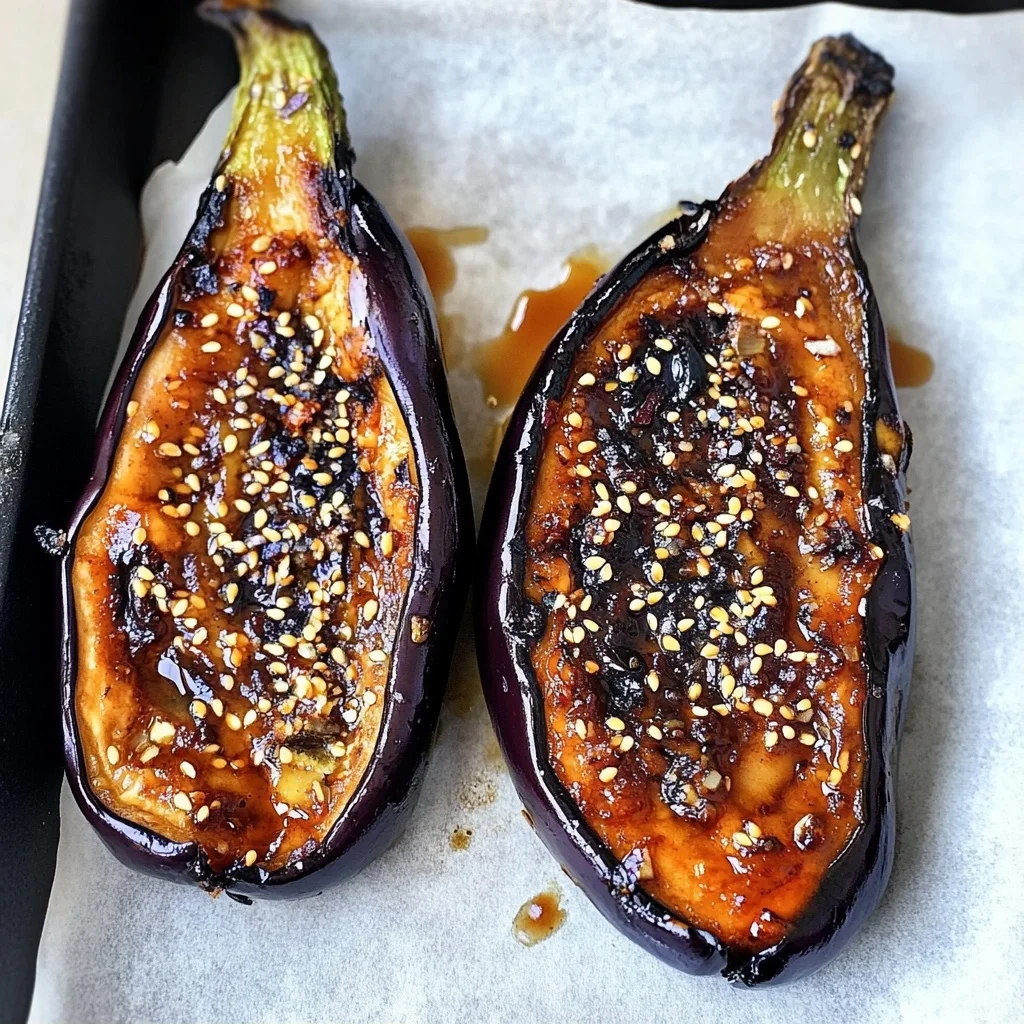
Imagine sinking your teeth into tender Japanese eggplant, perfectly stir-fried to a caramelized finish, mingling with vibrant vegetables that burst with color and flavor. The enticing aroma wafts through the air, promising a delightful culinary adventure that’s not just good for your taste buds but also for your well-being, making it an ideal choice for those busy weeknights when you crave something both satisfying and nutritious.
This Japanese eggplant recipe is more than just a meal; it’s a celebration of family gatherings and cozy dinners where laughter fills the room. Picture the joy of sharing this dish with loved ones, as each bite transports you back to cherished moments around the table. With each forkful, you’ll experience a symphony of flavors that dance on your palate, leaving you eagerly anticipating the next delicious mouthful.
Why Is japanese eggplant recipe So Irresistibly Good?
Quick and easy to prepare, this Japanese Eggplant Stir-Fry is perfect for busy weeknights! Packed with flavor, the savory sauce harmonizes beautifully with tender eggplant, vibrant bell peppers, and crunchy broccoli. Versatile and customizable, you can add your favorite proteins or swap in seasonal veggies. Healthy and satisfying, it’s a dish everyone at the table will love! Plus, it’s ready in just 30 minutes—dinner has never been this simple!
japanese eggplant recipe Ingredients
For the Vegetables
- 2 medium Japanese eggplants (sliced into thin rounds) – These eggplants add a delicate texture and absorb flavors beautifully in this stir-fry.
- 1 cup bell pepper (sliced) – Use any color you like for a pop of sweetness and vibrant color.
- 1 cup broccoli florets – These provide crunch and are packed with nutrients, making your meal healthier.
- 2 cloves garlic (minced) – Fresh garlic infuses the dish with aromatic warmth and depth of flavor.
- 1 inch ginger (grated) – Ginger adds a refreshing zing that complements the other ingredients perfectly.
For the Sauce
- 3 tablespoons soy sauce – This salty element brings umami richness to the dish; low-sodium options work too.
- 1 tablespoon mirin – A sweet rice wine that balances the saltiness of the soy sauce, enhancing overall flavor.
- 1 tablespoon sesame oil – This oil gives a nutty aroma and richness, elevating the taste of your stir-fry.
- 1 teaspoon sugar – A touch of sweetness helps to round out the flavors in this savory sauce.
For the Garnish
- 2 tablespoons sesame seeds (toasted) – Toasted seeds add a delightful crunch and nutty flavor that finishes off the dish beautifully.
- 2 scallions sliced – Fresh scallions bring a mild onion flavor and bright color, making your stir-fry visually appealing.
Step-by-Step japanese eggplant recipe
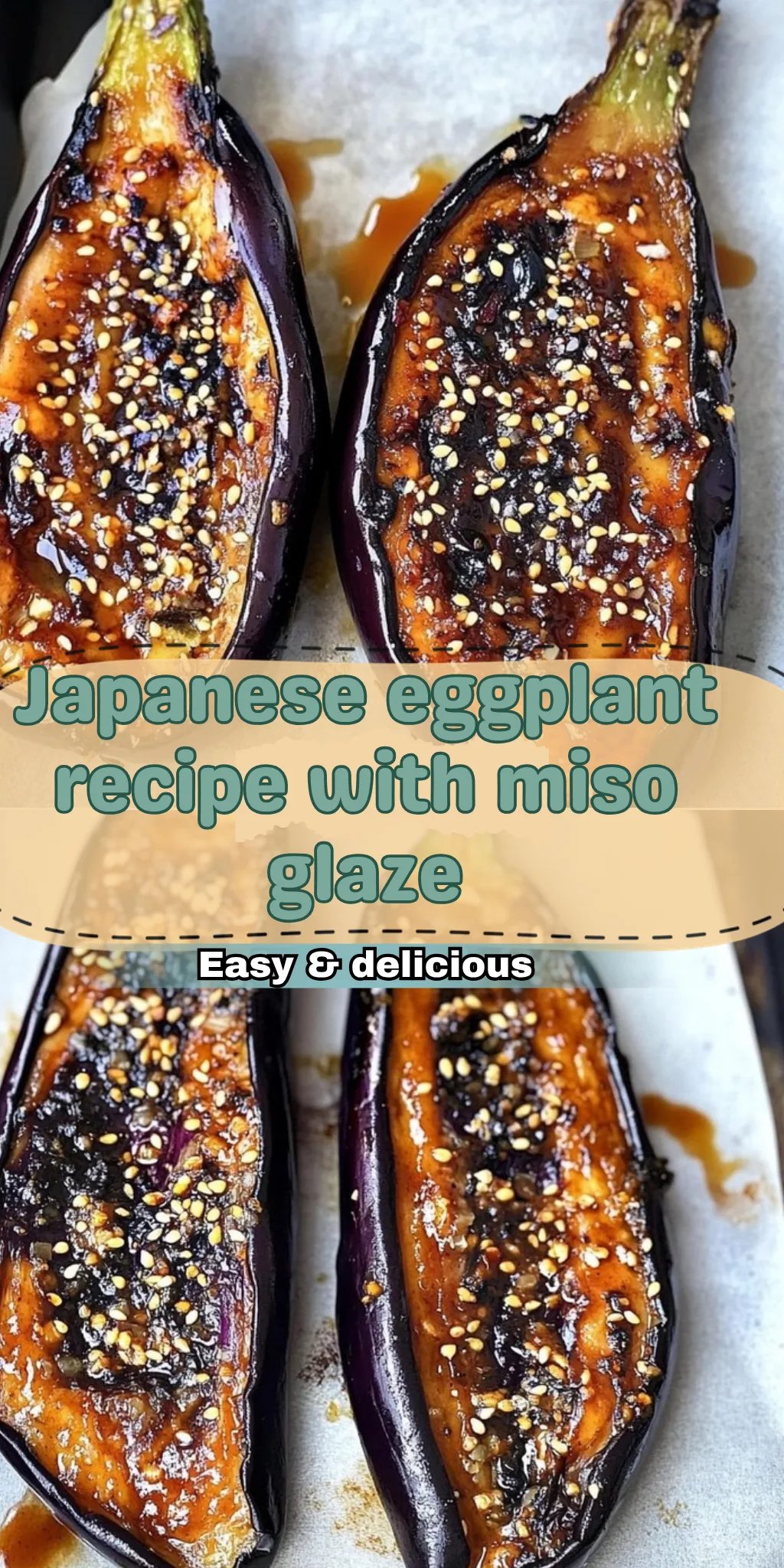
1. Prepare the Sauce: In a small bowl, mix together 3 tablespoons of soy sauce, 1 tablespoon of mirin, 1 tablespoon of sesame oil, and 1 teaspoon of sugar until well combined. This savory blend will bring your vegetables to life!
2. Heat the Wok: Heat a wok over medium-high heat and add a splash of oil. Toss in 2 cloves of minced garlic and 1 inch of grated ginger, stir-frying for about 30 seconds until fragrant. You’ll love that aromatic kick!
3. Add the Eggplant and Pepper: Add the sliced 2 medium Japanese eggplants and 1 cup of bell pepper to the wok, cooking for about 5 minutes until they begin to soften. Watch as their vibrant colors brighten up your dish!
4. Incorporate Broccoli: Toss in 1 cup of broccoli florets and stir-fry for another 3-4 minutes until all vegetables are tender. The broccoli should be bright green, adding a delightful crunch to your stir-fry.
5. Combine with Sauce: Pour the sauce over the vegetables in the wok and stir well to coat everything evenly. Cook for an additional 2 minutes, allowing those flavors to meld beautifully.
6. Garnish and Serve: Remove from heat, garnish with 2 tablespoons of toasted sesame seeds and sliced scallions, then serve hot. Enjoy this colorful meal that’s sure to please everyone at your table!
Optional: Serve with cooked rice or noodles for a heartier meal.
Exact quantities are listed in the recipe card below.
Tips for the Best japanese eggplant recipe
- Perfect Eggplant Prep: Slice Japanese eggplants into thin rounds to ensure even cooking and a tender texture without bitterness.
- Freshness Matters: Use vibrant, fresh bell peppers and broccoli florets for the best flavor and crunch—choose ones that are firm and bright.
- Avoid Soggy Veggies: Don’t overcrowd the pan while stir-frying; this can lead to steaming instead of frying. Cook in batches if necessary.
- Flavor Boost: Allow the garlic and ginger to sizzle until fragrant but be careful not to burn them, as this can lead to a bitter taste in your japanese eggplant recipe.
- Sauce Timing: Add the sauce at the end of cooking; this prevents the vegetables from becoming mushy and ensures they retain their vibrant colors and textures.
- Garnish with Care: Toast sesame seeds before garnishing to enhance their nutty flavor, elevating your dish beautifully.
How to Store and Freeze japanese eggplant recipe
- Fridge: Store leftover stir-fry in an airtight container for up to 3 days. This helps keep the flavors fresh and vibrant.
- Freezer: For longer storage, freeze the stir-fry in a freezer-safe container for up to 2 months. Thaw overnight in the fridge before reheating.
- Reheating: Reheat on the stovetop over medium heat, adding a splash of water or broth to maintain moisture. Enjoy your delicious japanese eggplant recipe warm!
japanese eggplant recipe Your Way
Feel free to get creative with this dish and make it uniquely yours with these fun variations!
- Add More Color: Swap in vibrant zucchini and carrots for a splash of color and extra crunch. These veggies not only brighten the dish but also bring their own subtle sweetness, enhancing the overall flavor profile.
- Protein Boost: Toss in some cubed tofu or cooked chicken for a heartier meal. Tofu absorbs the savory sauce beautifully, while chicken adds a satisfying texture that pairs well with the tender vegetables.
- Spicy Kick: Incorporate sliced jalapeños or red pepper flakes to turn up the heat. Just a little spice can elevate the dish, providing a delightful contrast to the sweetness of the bell peppers.
- Earthy Flavor: Include mushrooms like shiitake or cremini for an umami boost. Their meaty texture complements the eggplant beautifully, adding depth and richness to your stir-fry.
- Citrus Zing: A squeeze of fresh lime or lemon juice right before serving can brighten up the flavors. The acidity will cut through the richness of the sesame oil, making each bite refreshing.
- Nutty Crunch: Add chopped cashews or peanuts as a garnish for added texture. Nuts provide a delightful crunch that contrasts nicely with the tender vegetables and creamy sauce.
- Herbal Freshness: Toss in fresh basil or cilantro just before serving for an aromatic finish. The herbs introduce a burst of freshness that enhances every bite, making your stir-fry feel light and vibrant.
Make Ahead Options

This delicious japanese eggplant recipe is a fantastic choice for meal prep, allowing you to savor its vibrant flavors throughout the week. You can slice the two medium Japanese eggplants, one cup of bell peppers, and one cup of broccoli florets up to 24 hours in advance. Mince the two cloves of garlic and grate the inch of ginger ahead of time as well; just keep everything stored in airtight containers in the refrigerator to maintain freshness. The savory sauce made from three tablespoons of soy sauce, one tablespoon of mirin, one tablespoon of sesame oil, and one teaspoon of sugar can be prepared up to three days ahead—just mix everything in a small bowl until well combined. When you’re ready to enjoy this quick weeknight meal, simply heat a wok over medium-high heat, stir-fry your garlic and ginger for about 30 seconds, followed by the prepped vegetables for roughly 8-9 minutes until tender. Pour over the pre-made sauce for an additional two minutes before garnishing with toasted sesame seeds and sliced scallions. This preparation method not only saves time but also enhances the flavors when you serve this delightful japanese eggplant recipe!
japanese eggplant recipe Questions Answered
What can I substitute for Japanese eggplant?
If you can’t find Japanese eggplant, you can use regular eggplant or even zucchini. Just remember to adjust the cooking time slightly; regular eggplant may take a bit longer to soften, while zucchini will cook faster.
How should I store leftovers of this dish?
Store any leftover stir-fry in an airtight container in the refrigerator for up to 3 days. To maintain freshness, reheat it gently in a skillet or microwave until heated through.
Can I freeze the stir-fry after cooking?
Yes, you can freeze this stir-fry! Allow it to cool completely, then transfer it to a freezer-safe container. It will keep well for up to 2 months. When you’re ready to enjoy it again, thaw overnight in the fridge and reheat on the stovetop.
What if my vegetables are overcooked?
If your vegetables become too soft during cooking, next time try reducing your cooking time. Aim for about 5 minutes for the bell pepper and eggplant and just 3-4 minutes for the broccoli so they retain some crunch and vibrant color.
Are there any dietary considerations I should be aware of?
This recipe is naturally vegan and gluten-free if you choose a gluten-free soy sauce. If you’re watching your sodium intake, consider using low-sodium soy sauce to help manage salt levels without sacrificing flavor.
How many servings does this recipe make?
This delightful stir-fry yields about 4 servings, making it perfect for a family meal or meal prep! Each serving is approximately 150 calories, so it’s a healthy choice for anyone looking to enjoy nutritious food without compromising taste.